SHARE


Bridging Crisis and Resilience: LIXIL’s Global Push for Sanitation Economies to Reach Next 100M
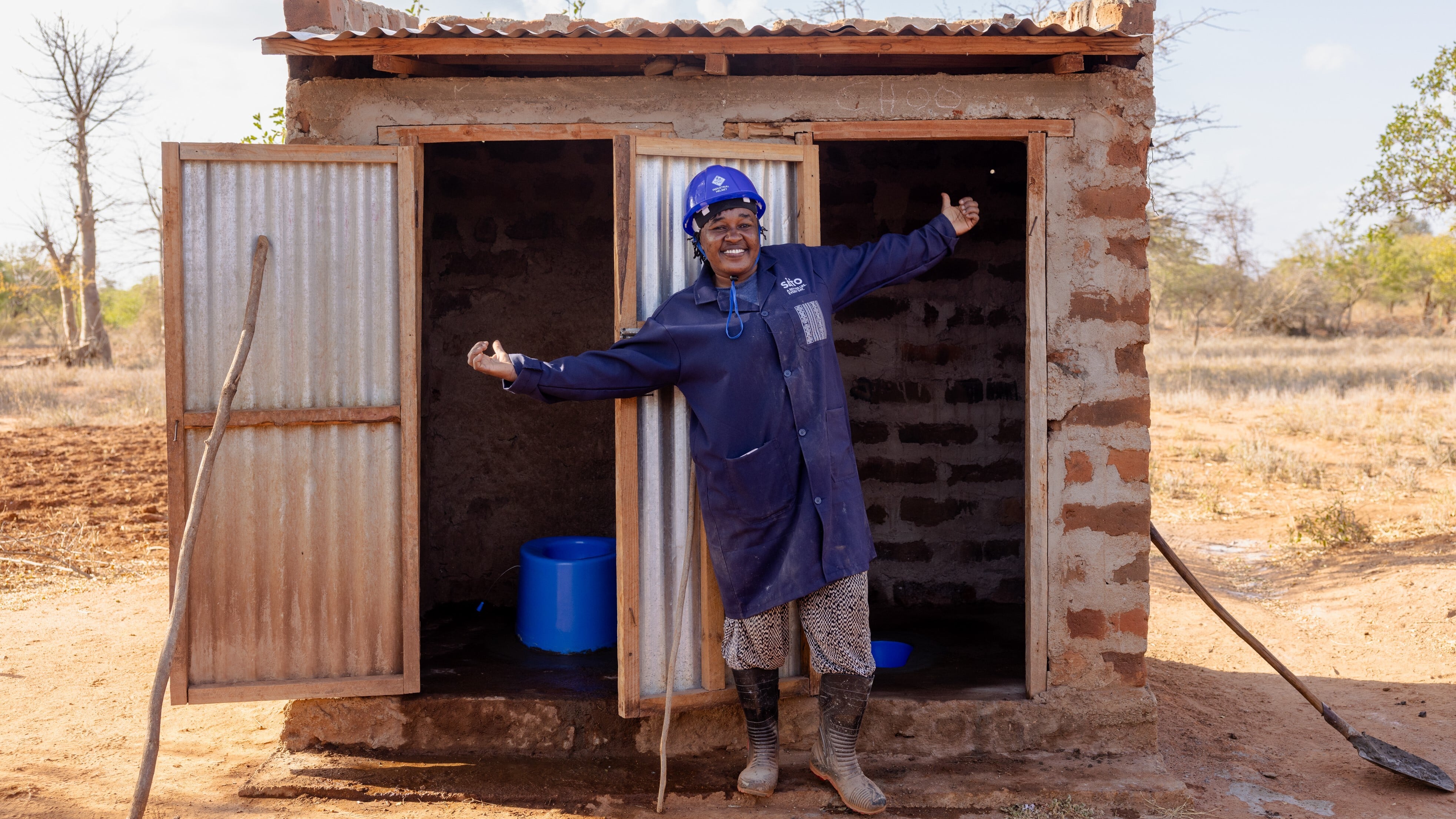
TOKYO — Ahead of World Toilet Day (WTD) on November 19, LIXIL Corporation (“LIXIL”, TSE Code: 5938), maker of pioneering water and housing products, today reaffirmed its commitment to improve sanitation and hygiene for an additional 100 million people by the fiscal year ending March 2031 (FYE2031), calling on governments and partners worldwide to accelerate collective action.
Building on its historic milestone—announced earlier this year after improving access for over 100 million people through its social business, SATO, LIXIL is expanding its focus beyond traditional community development to address acute humanitarian crises.
Today, approximately 3.4 billion people still lack safely managed sanitation—a systemic crisis intensified by accelerating climate shocks, natural disasters, and geopolitical conflicts. While humanitarian aid provides an essential immediate shield, solving this scale of need requires systems that endure beyond grant cycles. By applying its Japanese engineering heritage and market-driven solutions also into crisis settings, LIXIL advances adaptable disaster resilience at home while bridging emergency relief with locally owned, self-sustaining “Sanitation Economies” to keep the 2031 milestone within reach.
Action on the Frontlines: A Year of Cross-Sector Execution
Over the past year, LIXIL has demonstrated how our solutions and technologies provide a vital shield in fragile, extreme, and disaster-affected environments:
- Global Emergency Response: Global Emergency Response: Launching an emergency displacement support initiative in Blue Nile State, Sudan, with the United Nations Development Programme (UNDP) in August 2026.
- Disaster Resilience in Japan: Advancing domestic emergency relief aligned with Japan’s disaster preparedness philosophy of pre-disaster resilience and evacuation quality of life. This includes providing mobile sanitary equipment and coordinating with municipalities, alongside deploying “Resilient Toilets (Japanese Only)” engineered to maintain hygienic flushing functionality with as little as one liter of water during cutoffs.
- Provision of Versatile Mobile Sanitation (Japan): LIXIL’s mobile toilet facility “withCUBE (Japanese Only)”— a toilet engineered originally for emergency relief—demonstrates the adaptability of our disaster solutions. These facilities are now expanding across industrial manufacturing sites, quickly resolving sanitation facility shortages.
- Climate-Resilient Sanitation & Self-Reliance (Kenya & Malawi): Under a Memorandum of Understanding, JICA and LIXIL are joining forces to establish a sustainable “Sanitation Economy” across partner countries—delivering inclusive, market-based WASH services in Kenya’s Kakuma refugee camp and deploying flood-resilient solutions in Malawi. In Kenya, the partnership aims to deliver inclusive, market-based WASH services for refugees and host communities in and around the Kakuma refugee camp, aligned with the government’s Shirika Plan. In Malawi, the partners are deploying climate-resilient WASH solutions engineered to withstand prolonged flooding.
Underscoring the importance of cross-sector collaboration to drive this systemic change, Akihiko Tanaka, President of JICA, noted: “It has also become clear that providing infrastructure alone does not lead to sustained hygiene practices, highlighting the urgent need to create mechanisms that function sustainably on the ground. This partnership with LIXIL brings together JICA's strengths in building institutional frameworks and working closely with governments with LIXIL's expertise in product development, market creation, and business expansion in the field. By doing so, we aim to move beyond conventional aid approaches and realize a 'Sanitation Economy' where sanitation services can be sustained locally.”
A Catalyst for Collective Action: “A Place of One’s Own”
To highlight the work of SATO—the driving engine behind LIXIL's first 100 million milestone and the crucial foundation for reaching the next 100 million—LIXIL is proud to showcase the documentary “A Place of One’s Own.” Chronicling local masons, entrepreneurs, and families taking ownership of their sanitation, the film moves beyond passive victimhood to celebrate human agency and grassroots resilience. Directed by Oliver Couch, the documentary won the “2026 Film Award” at London's Big Syn International Film Festival. It is this very foundation of community-driven resilience, powered by SATO solutions, that LIXIL, working with a range of partners, is now scaling around the world to drive lasting systemic change.
LIXIL's approach to global hygiene is driven by its human-centric engineering philosophy—harmonizing personal well-being with essential, functional hygiene. This core principle powers frugal, life-changing innovations like the SATO Pan, which effectively seals away odors and insects using less than one liter of water.
Guided by its corporate purpose to make better homes a reality for everyone, everywhere, LIXIL reaffirms that safe sanitation is the cornerstone of human dignity and equality. Achieving universal access requires radical, cross-sector collaboration. LIXIL invites global leaders, non-profits, and commercial innovators to join forces in transforming frontline relief into lasting, self-reliant resilience.
To explore the trailer of “A Place of One's Own,” visit here.
To learn more about LIXIL’s endeavor on sanitation & hygiene, visit here.
SHARE
Related articles
- NEW
Bridging Crisis and Resilience: LIXIL’s Global Push for Sanitation Economies to Reach Next 100M
-
 NEW
LIXIL Achieves Industry-Leading “B-” Rating and Retains “Prime” Status in 2026 ISS STOXX Corporate Rating
-
 NEW
The Wellness Evolution: How LIXIL Transformed the Toilet from Functional Fixture to Self-Care Center